
When your child faces challenges getting the educational support they need, it can feel overwhelming and emotional. You may be managing school meetings, evaluations, and daily struggles while fighting for their future.
When disagreements with a school district escalate into a due process hearing, it’s natural to feel uncertain about what lies ahead. These hearings often influence your child’s academic path, making preparation especially important.
At Susan Luger Associates, in New York, New York, I work with families throughout the greater New York area who are seeking fair treatment under education law. Parents often come to me feeling overwhelmed by the hearing process and unsure about how to present the strongest possible case.
One of the most powerful tools in these disputes is testimony from qualified professionals who can articulate a child’s needs clearly and persuasively. If you’re considering a due process hearing or need guidance on your child’s rights, contact my office today to discuss your situation and learn how I can help.
Why Testimony From Qualified Professionals Matters in Education Law Hearings
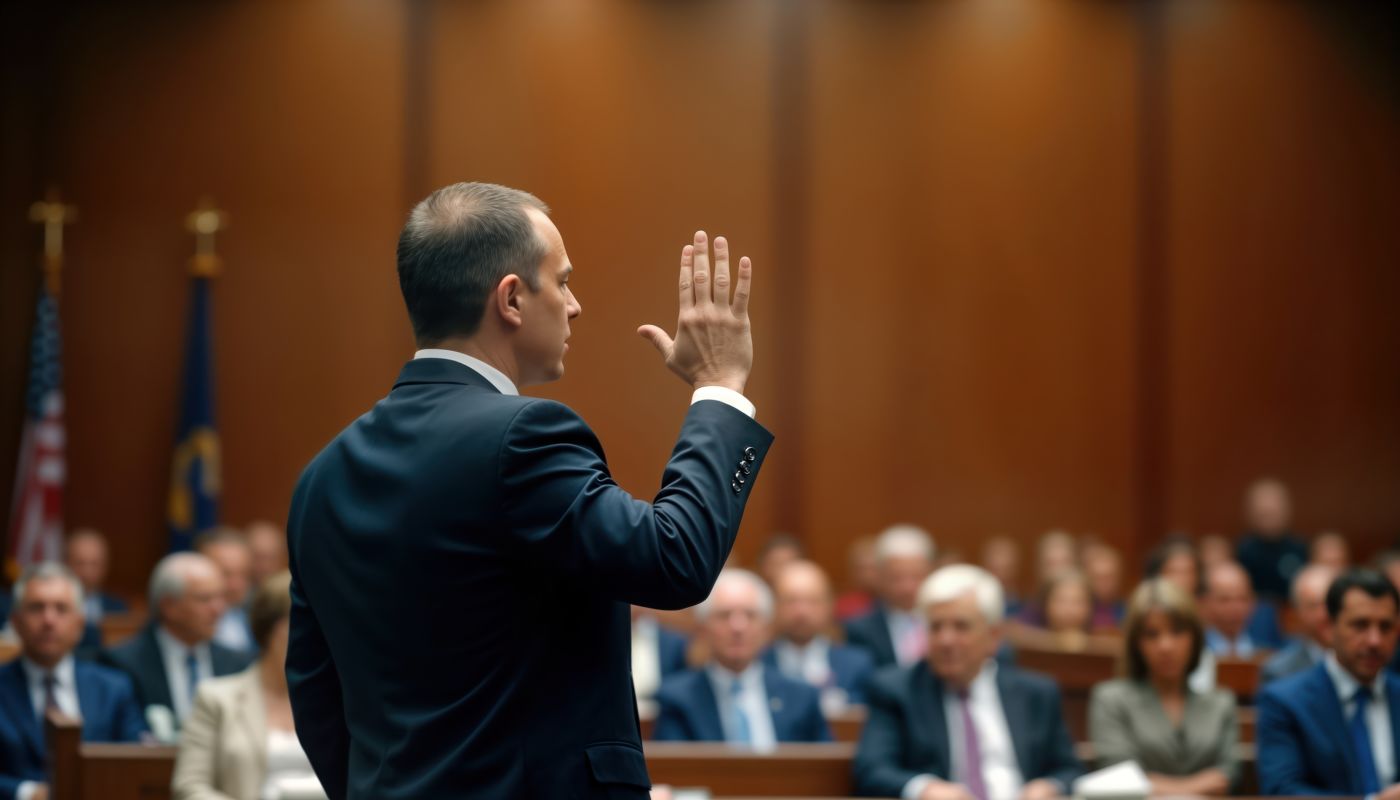
Special education due process hearings determine if a school district has fulfilled its legal duty to provide appropriate services. While documents like report cards, evaluations, and IEPs are critical, testimony from trained professionals often adds depth and context to those records.
In education law disputes, hearing officers rely on credible explanations to interpret academic data, behavioral reports, and developmental assessments. A professional witness can translate technical findings into language that clearly illustrates how a child is affected in the classroom.
For example, a psychologist might describe how attention challenges interfere with learning, while a speech-language pathologist could explain communication barriers that limit classroom participation. Without this context, written reports may not fully convey the day-to-day impact on your child.
As an experienced education law attorney, I can help determine which witnesses offer the most valuable insights and guide you through the process to guarantee their testimony supports your child’s needs and complies with education law.
Types of Professionals Who May Testify
Not every case requires the same type of testimony. The right witness depends on your child’s unique circumstances, areas of difficulty, and the services being disputed. Education law hearings often involve multiple disciplines, each contributing a different perspective.
Below are several professionals who often participate in due process hearings.
Educational psychologists: These professionals evaluate cognitive abilities, learning differences, and academic achievement. Their testimony can clarify whether a child requires specialized instruction or accommodations.
Speech-language pathologists: When communication challenges affect classroom performance, these witnesses explain how speech or language delays influence social interaction, comprehension, and expression.
Occupational therapists: Fine motor skills, sensory processing, and self-regulation all play a part in school success. Occupational therapists describe how these factors shape a child’s ability to function during the school day.
Behavioral analysts: If a child experiences behavioral obstacles, a behavioral analyst may outline triggers, intervention strategies, and the support needed to promote progress.
Medical professionals: Physicians or developmental specialists sometimes testify when medical conditions intersect with educational performance.
Selecting the right witnesses can strengthen your position under education law by presenting a well-rounded picture of your child’s needs. I help families evaluate which voices will carry the greatest weight so the hearing officer receives a clear and compelling account.
How Professional Testimony Shapes Hearing Outcomes
Due process hearings often come down to evidence. When conflicting evaluations exist, the hearing officer must decide which interpretation is more convincing. Testimony from qualified professionals frequently becomes a deciding factor.
A strong witness does more than restate a written report. They connect data to real-world impact, showing how unmet needs can affect academic growth, confidence, and independence. In education law cases, this clarity can influence decisions about placement, services, and compensatory education.
Professional testimony may help demonstrate that:
The current IEP doesn’t address critical learning needs
Proposed services fall short of supporting meaningful progress
A different educational setting would better serve the child
Additional therapies are necessary
The district’s evaluation overlooked important factors
When communicated effectively, these points can reshape the course of a case. I often remind families that testimony isn’t just about credentials—it’s about credibility, preparation, and relevance to education law requirements.
Preparing for Testimony With Legal Guidance
Preparation plays a significant part in how testimony is received. Even highly trained professionals benefit from understanding what to expect during questioning and how their observations align with legal standards.
When I assist families in education law hearings, preparation typically involves several key steps.
Reviewing evaluations carefully: I examine each report to identify strengths, gaps, and areas that may require clarification during testimony.
Aligning testimony with legal issues: Witnesses are most persuasive when their statements directly address the questions at the center of the dispute.
Anticipating cross-examination: School districts often challenge outside evaluations. Preparing witnesses for these exchanges helps maintain clarity and confidence.
Organizing supporting documentation: Testimony becomes more compelling when paired with consistent records, progress notes, and data.
Clarifying educational impact: Hearing officers want to know how challenges affect classroom performance. Drawing that connection is essential in education law proceedings.
Thoughtful preparation allows testimony to remain focused and credible. As an experienced attorney, I work closely with families so that each witness contributes meaningful insight that supports their child’s case.
Move Forward With Compassionate Education Law Support
Advocating for your child can be challenging, especially when disagreements with a school district result in a formal hearing. Yet many parents find that taking action brings a renewed sense of purpose.
Education law exists to protect students and promote meaningful access to learning, and professional testimony often plays a pivotal part in showing what your child truly needs.
At Susan Luger Associates, I support families across the greater New York area in pursuing fair educational opportunities for their children. I recognize that every case represents more than a legal dispute—it reflects a child’s future and a parent’s determination to seek better support.
You don’t have to face this process alone. If you’re considering a due process hearing or want to discuss how testimony could influence your case, reach out to Susan Luger Associates today to schedule a conversation and learn how I can help you move forward.